Chopin Piano Concerts in Gdańsk
Where can you hear Chopin piano concerts in Gdańsk?
Evening piano recitals, often centred on Chopin, are held in historic venues around Gdańsk's Główne Miasto (Main Town), typically churches or heritage halls chosen for their acoustics and setting. Programmes and exact venues vary by season and by promoter, so check the specific listing before booking rather than assuming a fixed schedule or location.
By the time the sun drops behind the gabled rooftops of Gdańsk’s Główne Miasto (Main Town), the streets that were full of walking tours an hour earlier have quietened into something else entirely. This is when a different kind of evening takes over — candlelit courtyards, the low hum of conversation from wine bars along Mariacka, and, on many nights, the sound of a grand piano drifting out from a historic church or hall somewhere near the old market square.
Chopin piano concerts have become one of the more distinctive ways to close a day of sightseeing in Gdańsk, and this guide sets out honestly what that evening actually looks like — the format, the setting, what to expect, and, just as importantly, what not to expect.
What a Chopin evening in Gdańsk actually is
Strip away the marketing language and the format is simple: a solo pianist, usually seated at a grand piano, performs a programme built largely around Frederic Chopin’s nocturnes, waltzes, polonaises and etudes, sometimes alongside a handful of other Romantic-era composers. The setting is almost always historic — a church interior with high vaulted ceilings, or a heritage hall with the kind of stone or wood acoustics that a modern concert hall cannot easily replicate. Lighting is often kept low, frequently candlelit, which is as much about atmosphere as it is about the practical fact that many of these venues were never wired for concert-grade stage lighting in the first place.
This is not a full philharmonic performance with an orchestra, and it is not a multi-hour classical marathon. Most of these recitals run for around an hour, occasionally with a short interval, structured as a compact, atmospheric evening rather than a formal concert-society programme. That format is exactly why it works so well as a single evening activity slotted in after a day spent walking Dlugi Targ and the Motława riverfront — it asks for an hour of your evening, not your whole night.
Where these concerts are held
Venues for Chopin and classical piano recitals in Gdańsk are typically found in or near the Główne Miasto — the historic core around St Mary’s Basilica and the streets running down to the river. Promoters generally choose churches or heritage halls valued for their acoustics, their age, and their atmosphere, rather than purpose-built concert auditoriums. Because the exact building used for any given performance can vary by promoter, by season, and sometimes by month, this guide deliberately does not name a single fixed venue as definitive — the specific address and room will be confirmed on your ticket or booking confirmation, and it is worth checking that detail rather than assuming it stays the same year-round.
What stays constant is the character of the setting: old stone or brick walls, tall windows, and an intimacy that a large modern hall does not offer. If you have already spent a morning inside St Mary’s Basilica or wandered the amber shops of Mariacka street, an evening recital in a similar kind of historic interior extends that same sense of stepping into the city’s older fabric, just after dark and by candlelight instead of daylight.
What to expect from the programme
Programmes centre on Chopin’s piano works — nocturnes, preludes, waltzes, mazurkas and polonaises are common choices, given how well they suit a solo piano recital and an intimate room. Some evenings pair Chopin with a small selection of other Romantic or classical composers, and programme details do shift from one performance to the next depending on the pianist and promoter.
One point worth being direct about: there is no verified historical record, within what this guide can confirm, of a personal connection between Chopin and Gdańsk itself. Chopin’s documented life centred on Warsaw, Vienna and Paris. The recitals held in Gdańsk are a celebration of his music performed in a fitting historic setting, not a claim that he lived, performed, or has any documented biographical tie to the city. Treat any promotional material suggesting otherwise with a healthy degree of scepticism, and treat this guide’s silence on the matter as a deliberate choice rather than an oversight.
Why the acoustics matter more than the venue name
Part of the appeal of a candlelit recital in Gdańsk has less to do with which specific building hosts it and more to do with what centuries-old stone, brick and timber do to the sound of an unamplified grand piano. A modern concert hall is engineered for even sound distribution across hundreds of seats; a small historic church or heritage hall was not, and the result is a denser, more resonant sound that carries differently depending on where you sit.
Seats closer to the instrument catch more of the piano’s attack and detail, while seats further back or under a vaulted ceiling pick up more of the room’s natural reverberation. Neither is wrong, and general admission tickets in these venues typically do not assign a fixed seat, so arriving promptly matters if a particular vantage point appeals to you. This is also why promoters favour these older interiors over purpose-built auditoriums in the first place — the sound character is part of the product, not an incidental backdrop to it.
How this compares with other evening options nearby
Gdańsk’s Old Town offers no shortage of ways to fill an evening, and a piano recital sits at a distinctly different pace from most of them. Compared with a pub crawl or an evening exploring the best bars around the Old Town, a Chopin recital is quieter, shorter, and seated throughout — closer in spirit to visiting St Mary’s Basilica by candlelight than to a typical night out.
Compared with a longer cultural evening such as a guided walking tour, it asks for less of your evening in total, generally under two hours including arrival and settling in, which is part of why it pairs so easily with dinner beforehand rather than replacing an entire evening’s plans. Travellers weighing a recital against a sunset cruise on the Motlawa are really choosing between two different kinds of stillness — one on the water, one indoors and candlelit — and either works well as a calmer counterpoint to a day spent on foot.
Finding the venue and getting there
Because the exact building used for a given performance changes by promoter and season, the most reliable way to find your venue on the night is the address printed on your ticket or booking confirmation, not a general assumption based on a previous visit or another traveller’s account. Most venues used for these recitals sit within easy walking distance of central landmarks such as Dlugi Targ or the Motława riverfront, so a taxi or tram is rarely necessary if you are already staying in or near the Główne Miasto.
If your accommodation is further out, in Wrzeszcz or closer to Oliwa, building in extra time for the tram or SKM journey into the centre is worth doing, since arriving flustered and late to an unamplified, quiet recital is a far more noticeable disruption than arriving late to a louder, more forgiving venue.
Booking, seating and timing
| What to expect | Detail |
|---|---|
| Typical length | About one hour, sometimes with a short interval |
| Format | Solo piano, occasionally piano plus one other instrument |
| Setting | Historic church or heritage hall, Główne Miasto area |
| Lighting | Often candlelit or low-lit for atmosphere |
| Booking | Advisable in advance, especially June-September |
| Dress | Smart-casual; a layer for unheated venues off-season |
Seats in these venues are genuinely limited — churches and heritage halls were not built with rows for hundreds of concertgoers, and that intimacy is part of the appeal. It also means an evening can sell out, particularly during the June to September high season and around St Dominic’s Fair in August, when the Old Town’s evening options are all busier than usual. This guide will not promise that tickets are always available at the door, because they are not — booking ahead is the safer approach if a specific evening matters to your itinerary.
Equally, this is not a nightly guarantee. Performance schedules are set by individual promoters and venues, and the frequency of evenings on offer varies through the year — more options in peak summer, fewer in the depths of winter. If a piano recital is a priority for your trip, check the actual dates on offer for your visit rather than assuming a concert will be running on any given evening you happen to be in town.
Two options worth comparing when you look at what is on offer: a candlelit Chopin recital performed by candle glow, and a grand piano programme built specifically around Chopin’s best-known pieces. Both follow the same general format described above — a solo pianist, a historic interior, roughly an hour of music — with the specific programme and venue confirmed at booking.
Building an evening around a recital
The natural rhythm of a Chopin evening in Gdańsk starts with dinner. The streets around Dlugi Targ and down toward the Motława hold most of the Old Town’s restaurants, so eating first and walking to the venue afterwards works well logistically, especially since most recitals start in the early evening rather than late at night. Arriving 15 to 20 minutes early is sensible in these venues — seating is often unreserved within general admission tickets, and settling in before the lights (or candles) come down adds to the atmosphere rather than detracting from it.
Afterwards, with the concert typically wrapped up in about an hour, there is still a full evening ahead. The Old Town’s bars stay lively well past any 9pm curtain call, and a short walk from most of these venues puts you back among the best bars in Gdańsk’s Old Town for a nightcap, or within reach of a pub crawl if the evening is still young. For a different but complementary evening pairing, a guided tasting through Polish vodka traditions sits well either side of a recital, giving the evening two very different textures — one contemplative, one convivial.
Who this evening suits, and who it doesn’t
A seated hour of classical piano in a candlelit church rewards a particular kind of traveller: someone who has spent the day on their feet covering the Old Town walking route or exploring Oliwa’s cathedral and park, and wants an evening that slows back down rather than ramps up. It also suits couples looking for a quieter alternative to the Old Town’s bar scene, and anyone with a genuine interest in classical music who wants to hear it performed in a setting far older than most concert halls.
It suits families with older children reasonably well, provided the programme’s quiet, seated format matches the child’s temperament — this is not a page that can promise a blanket policy on age suitability, since that detail sits with each individual promoter and venue, so check the specific listing if travelling with children. It is a less natural fit for anyone hoping for a full orchestral programme, a late-night event, or a guaranteed nightly schedule — none of which this format offers, and none of which this guide claims it does.
Two questions worth settling before you book
Are these venues wheelchair accessible
Accessibility depends entirely on which specific church or hall is used for a given performance, and many of the buildings favoured for their acoustics and age were not designed with step-free access in mind — uneven stone floors, narrow doorways and stairs to a gallery level are all common in Gdańsk’s older interiors. This guide cannot promise blanket accessibility across every venue a promoter might use, so anyone travelling with mobility needs should contact the promoter directly before booking rather than assume a given hall will work.
Is there heating or air conditioning inside
Rarely, and it is worth planning around. These are historic stone and brick buildings, not modern auditoriums, so climate control is the exception rather than the rule. A June or July evening tends to feel pleasantly cool inside regardless of the heat outside, which is part of the charm, but an evening in April, October or the depths of winter can feel genuinely cold once the sun has gone down and a few dozen people are seated quietly for an hour. Carrying a warm layer is sensible advice for any season outside high summer.
Practical notes before you book
Confirm three things at the point of booking, since none of them are fixed across every performance: the exact venue address, the start time, and the specific programme if particular pieces matter to you. Churches used for evening recitals in Gdańsk are often unheated outside the main tourist season, so carrying a light layer even in summer is sensible, particularly for an evening that starts once the day’s warmth has faded. Photography and recording policies vary by venue and are usually announced before the performance begins — respecting the acoustics and the atmosphere of a live, unamplified piano recital matters more here than in a typical amplified venue, since even quiet movement carries in these stone interiors.
Finally, a note on pacing your visit: a Chopin recital pairs naturally with a first day in Gdansk or a longer Old Town and Sopot itinerary, slotted in as the evening close to a day otherwise built around daytime sightseeing. Treat it as one option among several rather than the single must-do event of a trip, and check current listings for your travel dates before locking an evening around it — the format is reliable, but the exact schedule on any given night is not something this guide can promise in advance.
Piano concerts
Verified deep-linked GetYourGuide tours. Book through these links and we earn a small commission at no cost to you.
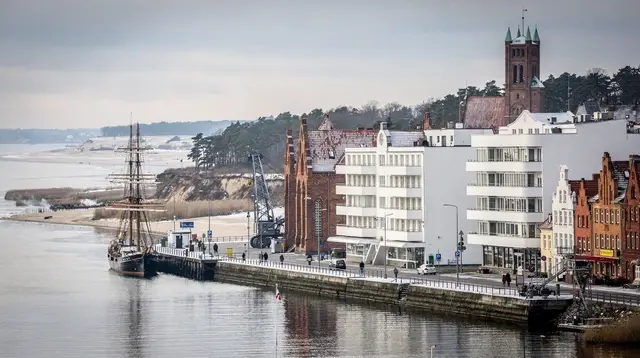
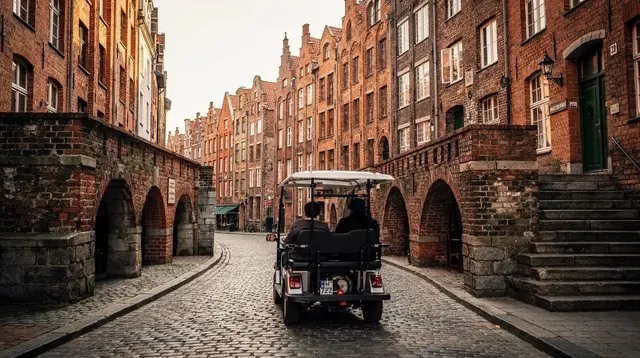
GetYourGuide does not provide a product photo for this activity — the image shows the meeting point, photographed by us.