Sopot & Hel Beach Weekend
This is a two-day plan built around two beaches that feel genuinely different from each other, both reachable without a car. It only works in the warm season: the passenger boat that makes Day 2 worth doing runs seasonally, roughly May to September, and stops outside those months. Outside summer, swap Hel for a longer look at Sopot and Gdynia instead - see Sopot vs Gdynia: where to stay for that alternative.
One honest note before the itinerary starts: this is the Baltic, not the Mediterranean. Water temperatures on a good August day sit around 17-20 degrees Celsius, cooler on a windy one. Swims here tend to be short, brisk and invigorating rather than long, warm soaks - plan for that rather than against it, and you will enjoy both beaches far more.
Why Sopot first, then Hel
Sopot and the Hel Peninsula are both beach destinations, but they are not interchangeable. Sopot sits on the calmer bay side of the Tricity, with a resort town’s cafes, the pier and a lively evening street behind the sand. Hel faces the open Baltic on its seaward side, with wider, wilder beaches and a small fishing-town feel once you step off the main strip. Doing Sopot first gives you an easy, low-effort day to settle in; doing Hel second, as a day trip by boat, keeps travel time off both days rather than burning half of one on transfers.
Day 1: Sopot - pier, beach, Monciak
Base yourself in Sopot for the first night, or arrive from Gdańsk on the SKM commuter train, which reaches Sopot from Gdańsk Glowny in well under half an hour. There is no need for a car anywhere in this itinerary - the SKM line and the seasonal boats cover everything, and driving in Sopot in summer only adds parking stress with no real advantage.
Morning: the pier and the seafront. Start at the molo, the wooden pier that is among the longest of its kind in Europe. It charges a small entry fee in season, needs no advance booking, and a walk to the end and back takes 30-45 minutes at an easy pace. From the pier you get the clearest view of Sopot’s beach curving away on either side - wide, sandy and gently sloping into the bay, which makes the water noticeably calmer here than on Hel’s open-sea side.
If you want the town’s layout from someone who knows it, a private walking tour is a relaxed way to spend the first hour or two: an early private walking tour through Sopot’s old town and seafront covers the pier, the historic spa quarter and the streets just behind the beach before the day gets busy. For a quieter pace, a guided walk paired with a short qi gong session works well too, if you would rather ease into the day than march through it.
Midday: the beach itself. Sopot’s main beach sits right below the pier and spa promenade, sand underfoot rather than pebbles, and it is easy to rent a lounger or simply lay out a towel. Go in expecting a short, bracing dip rather than an afternoon of floating in warm water - even at the height of summer the Baltic here rarely climbs past 18-20 degrees Celsius, and a breeze off the water can make it feel cooler still. That is normal for this coast, not a sign of bad luck with the weather; see Sopot is not Saint-Tropez for more on how this beach compares with the ones it sometimes gets mistaken for.
Afternoon: Monciak. Ulica Bohaterow Monte Cassino, universally called Monciak, is Sopot’s pedestrian spine running from the train station down toward the pier. It is dense with cafes, ice cream counters, souvenir shops and the crooked Krzywy Domek building, and it rewards an unhurried wander more than a checklist. This is the natural place for a late lunch or an early dinner, with outdoor seating on most of the street through the summer months.
Evening: the water, from a different angle. If the beach was the daytime view, the evening is for seeing Sopot from the bay itself. A short cruise out on the water lets the pier and the seafront recede behind you as the light softens - a sunset yacht cruise around Sopot bay, with a welcome drink included is a straightforward way to close the day without much planning. Riders looking for something faster rather than calmer can instead try a short, sharp run at the end of the pier on a high-speed boat, over almost as soon as it starts but memorable for exactly that reason.
Overnight in Sopot, or head back to Gdańsk by the last SKM trains if you are based there instead - both work, and neither costs more than half an hour.
Day 2: the Hel Peninsula by boat
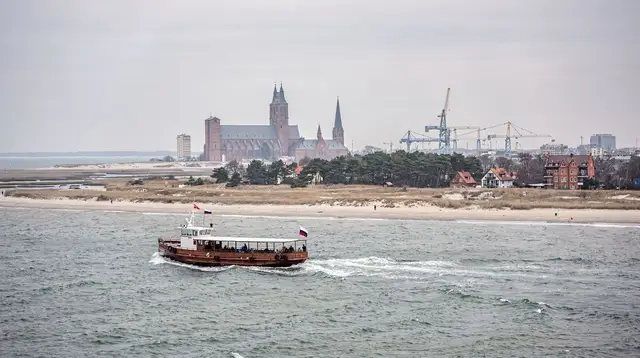
This is the day that only exists in the warm season. From roughly May to September, seasonal passenger boats run from Sopot (and from Gdańsk and Gdynia) across the bay to the Hel Peninsula, a narrow sand spit reached by water in under two hours depending on the route and the operator.
Do not plan on driving there in summer: the single road running the length of the peninsula is well known for serious traffic jams in July and August, and the boat is simply the better option on every count - faster in practice, free of parking headaches, and scenic in its own right. Schedules and crossing times change from one season to the next and between operators, so check current departures once you are in Poland rather than relying on a fixed time here.
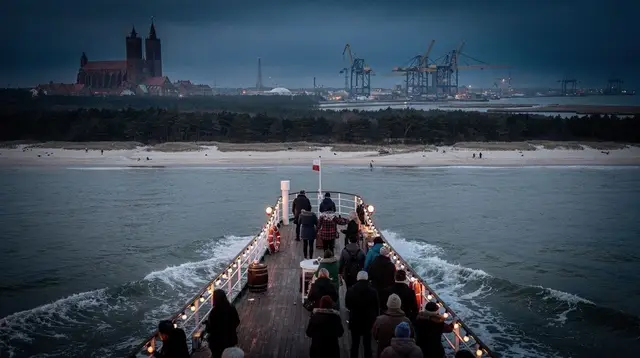
Morning: crossing the bay. Board in Sopot (or nearby in Gdańsk, depending on which route suits your morning) and enjoy the crossing itself - open water, gulls following the wake, and Hel’s low sandy silhouette appearing ahead well before you dock. A slower alternative worth knowing about is a breakfast cruise that combines the crossing with food service on board, useful if you would rather eat while underway than rush a meal beforehand: a breakfast cruise on a catamaran departing from Gdańsk or Sopot is one way to fold transport and a meal into one stop.
Midday: the open-sea beach. Once in Hel town, the beach on the seaward side is a different animal from Sopot’s bay beach - wider, with a stronger swell and a harder-packed edge where the tide has been working the sand. It is also a genuinely good spot for the same reason it can feel a touch wilder: fewer buildings crowding the shoreline, more open horizon. The same rule applies as in Sopot, only more so: this is open Baltic water, and 17-20 degrees Celsius on a warm August day is about as good as it gets, with a stiffer breeze more likely than not. A short swim, a lot of beach time - that is the honest shape of a Hel visit, not a long soak.
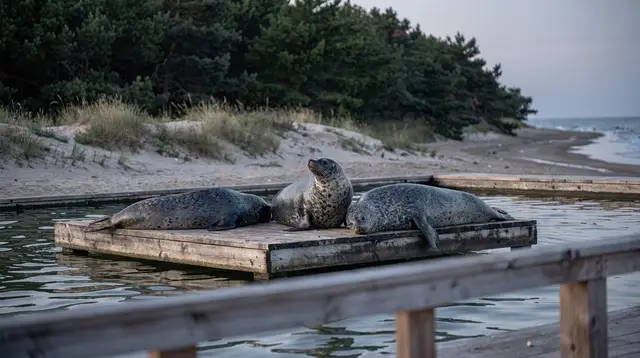
Early afternoon: the town, and the seals. Hel’s small fishing-town centre is worth an hour on foot regardless of the beach - narrow streets, fishing boats, smoked-fish stalls. If you have kept an eye on timing, the seal sanctuary (Fokarium) holds feeding talks a few times a day in season and is one of the better-organised things to build an afternoon slot around; check the day’s talk times once you arrive rather than guessing.
A note for a sportier crowd, if this is not your day. Two places nearby - Jastarnia, also on the peninsula, and Puck, across on the bay side - are known first for kitesurfing and windsurfing rather than for lying on sand. The bay-facing wind and shallower water there suit board sports far better than swimming, and they are worth a separate, dedicated visit for anyone equipped for it rather than a stop tacked onto this beach weekend. A guide to kitesurfing on Puck Bay and around Jastarnia covers that trip on its own terms.
Late afternoon: back across the water, or by rail. Getting back to Sopot or Gdańsk works two ways: the same seasonal boat, retracing the morning’s route, or the direct summer train that also serves Hel, useful if the boat schedule does not line up with your afternoon. Either way, avoid the idea of driving back along the peninsula road at the end of a summer day - it is exactly when the traffic is worst, and the water or the rail line will get you home with far less friction.
A calmer way to end the trip, once you are back on the mainland, is a short evening cruise around Sopot’s bay rather than straight to a restaurant table: a yacht cruise around Sopot bay with a welcome drink on board works well as a closing hour before dinner.
Planning notes
| Day 1: Sopot | Day 2: Hel Peninsula | |
|---|---|---|
| Season | Year-round, best May-September | Boat runs seasonally, roughly May-September only |
| Getting there | SKM train from Gdańsk, under 30 minutes | Seasonal boat from Sopot/Gdańsk/Gdynia, or summer train |
| Beach character | Calm bay water, sandy, gently sloping | Open Baltic, stronger swell, wider sand |
| Car needed | No | No - driving in summer means real traffic on the peninsula road |
| Sea temperature | Roughly 17-20°C in high summer | Roughly 17-20°C in high summer, often cooler with wind |
For a longer version of this coastal loop that folds in Gdynia as well, see Tricity in 3 days; for a shorter version without Hel, Gdańsk and Sopot in 2 days covers the same ground minus the boat crossing. General background on the region’s beaches, including why the water never gets Mediterranean-warm, is in the Gdańsk and Baltic coast swimming guide, and a broader look at what a Hel day involves is in the Hel Peninsula day trip guide.
Frequently asked questions about the Sopot and Hel beach weekend
Can this itinerary be done outside summer?
Not as written. The seasonal boat that carries Day 2 to the Hel Peninsula typically runs from around May to September, and it stops outside that window. Outside summer, Sopot’s pier, beach and Monciak street are still worth a visit in Sopot, but Hel is better treated as its own separate warm-season trip.
Is the Baltic Sea actually warm enough to swim in during summer?
It gets swimmable, not warm. Expect roughly 17-20 degrees Celsius at the peak of summer in both Sopot and on Hel’s open-sea side, with wind able to drop it further within a day. Most visitors do short, bracing swims rather than long warm-water sessions - budget the beach time accordingly.
Should we drive to the Hel Peninsula in summer instead of taking the boat?
No. The single road running the length of the peninsula is well known for serious congestion in July and August. The seasonal boat, or the direct summer train, is the better choice on every count for this beach weekend.
What time does the boat to Hel leave?
It varies by season and operator, and schedules shift from one year to the next, so there is no fixed departure time to rely on here. Check current timetables once you are in the region, ideally a day or two before you plan to cross.
Is Sopot’s beach different from the beach on Hel?
Yes, noticeably. Sopot faces the calmer bay side of the Tricity, with gentle, sandy shallows below the pier. Hel’s beach faces the open Baltic, with a stronger swell and a wider stretch of sand - a different mood, not simply a second version of the same beach.
Are Jastarnia and Puck good beach stops on this same trip?
Not really, and it is worth knowing why before adding them. Both are known primarily for kitesurfing and windsurfing thanks to steady bay-side wind, which makes them better suited to board sports than to a relaxed beach day. They are worth visiting on their own terms, not as an extra stop squeezed into this weekend.
Do you need a car for this weekend?
No. The SKM commuter train covers Sopot easily from Gdańsk, and the seasonal boat (or the direct summer train) covers Hel. A car adds parking hassle in Sopot and genuine traffic delays on the road to Hel in peak season, with no real time saved either way.
Is one night in Sopot enough before heading to Hel?
For this itinerary, yes - the plan assumes a single night in or near Sopot, with the whole of Day 2 given over to Hel as a day trip by boat. Travellers wanting more time on the peninsula itself, rather than a single beach day, should treat Hel as an overnight stop of its own instead.
Hel peninsula cruises
Verified deep-linked GetYourGuide tours. Book through these links and we earn a small commission at no cost to you.
GetYourGuide does not provide a product photo for this activity — the image shows the meeting point, photographed by us.