Jastarnia sits roughly halfway along the Hel Peninsula, the narrow sand spit that curls out from the mainland near Władysławowo and shelters Puck Bay from the open Baltic. On one side of the town, the sea is deep, cold and often rough. On the other, Puck Bay is shallow for hundreds of metres out, warmer in the shallows, and reliably raked by wind funnelling down the bay.
That single geographical fact — a narrow strip of land with two very different bodies of water on either side of it — is the reason Jastarnia exists on the map for travellers at all. It is not a resort town with a boardwalk and ice-cream stalls facing the open sea; it is a working fishing settlement that has become, over the past two decades, one of the most consistent kitesurfing and windsurfing bases on the Polish Baltic coast.
That distinction matters for anyone planning a visit. Jastarnia is not Sopot, with its resort promenade and open-sea beach for lounging, and it is not a scaled-down version of one. It has no equivalent of a grand pier, no wide sandy sweep built for sunbathing crowds, and no real tradition of family beach holidays in the conventional sense. What it has is wind, shallow water, and a stretch of Puck Bay shoreline set up with rigging areas, rental shacks and schools. Visitors who arrive expecting a gentle swimming beach tend to be disappointed; visitors who arrive with a board, or looking to rent one, tend to understand immediately why the town has the reputation it does.
Why the bay side works for watersports
The mechanics are straightforward. Puck Bay (Zatoka Pucka) is a shallow, semi-enclosed body of water bounded by the mainland coast and the inner side of the Hel Peninsula. Depths a long way from shore can still be shallow enough to stand in, which makes it forgiving for anyone learning to kitesurf or windsurf — falls happen in waist-deep or chest-deep water rather than over your head, and rescue is simpler when something goes wrong. At the same time, the bay’s orientation and open fetch mean wind builds reliably across it, particularly in the warmer months, without the peninsula’s outer, open-sea side offering the same combination of shelter and consistency.
Jastarnia and the other settlements along the bay side of the peninsula — Kuznica, Chalupy and Władysławowo among them — have grown a genuine watersports economy around this: equipment rental, kitesurfing and windsurfing schools with certified instructors, repair shops, and a small but steady stream of visitors who come specifically to ride rather than to sightsee.
It is a sport-driven identity, not a manufactured one, and it is worth understanding before booking a stay. A dedicated kitesurfing on Puck Bay guide goes deeper into spot choice and conditions, and the wider Baltic coast watersports guide puts Jastarnia in context against the coast’s other sailing and kiting bases.
What Jastarnia is not
It is worth being direct about this, because the peninsula’s marketing imagery — wide sand, blue water, a jetty at sunset — can suggest something closer to a conventional beach holiday than what is actually on offer. Jastarnia is not a calm, swim-all-day family beach resort in the way that phrase is usually meant.
The open-sea (outer) side of the peninsula does have sandy beach, and people do swim there, but the water is genuinely cold even in peak summer, rarely climbing much past the high teens Celsius, and the same wind that makes the bay side excellent for kitesurfing can make the open-sea side choppy and less pleasant for a leisurely paddle. The bay side, meanwhile, is shallow and windy by design and by demand from the watersports community that uses it — it is not laid out for uninterrupted swimming, and stretches used for launching kites or sailing rigs are not the place to expect a quiet, current-free dip.
None of this means Jastarnia is unsuitable for a non-sporting visitor. Walking the town, watching kitesurfers work the bay from the shore, eating fresh fish at a harbourside stall, and treating the beach as a place for a bracing paddle rather than a swim-all-afternoon plan are all reasonable ways to spend time here. What does not work is arriving with expectations built around a conventional Baltic beach resort and being surprised that the town is organised around a sport rather than around sunbathing. For visitors who do want proper swimming beaches, the Baltic beaches and swimming guide points toward stretches of coast better suited to that than Jastarnia’s bay side.
The cold-sea reality
Any honest account of watersports on this coast has to start from the same fact that shapes swimming everywhere on the Polish Baltic: the sea is cold. Even in August, at the height of summer, water temperatures on this coast typically sit around 17-20 degrees Celsius, and a shift in wind direction can drop that further within a day. This is not the Mediterranean, and nothing about Jastarnia changes that.
What it does mean in practice is that kitesurfing and windsurfing here are wetsuit sports for most of the season — a 3mm or thicker wetsuit is standard kit from May through September for anyone spending real time in the water, and neoprene boots and gloves are common in the shoulder months. Riders come for the wind and the shallow, controllable bay, not for warm water, and schools and rental operators are set up accordingly, with wetsuit hire typically included or available alongside board and kite rental.
This also shapes who Jastarnia suits. It rewards visitors who want to be active in and on the water — riding, learning, or at minimum watching closely — rather than visitors looking for a warm-water swimming holiday. Treat it as an outdoor sports destination with a cold northern sea attached, not as a beach-lounging alternative to warmer coastlines.
Getting there and around
Jastarnia is reached from Gdańsk in one of two main ways. By road, it is about two hours, following the coast road around Puck Bay and out along the peninsula through Władysławowo; this route is straightforward but can be slow in August, when the single road down the narrow peninsula carries heavy holiday traffic.
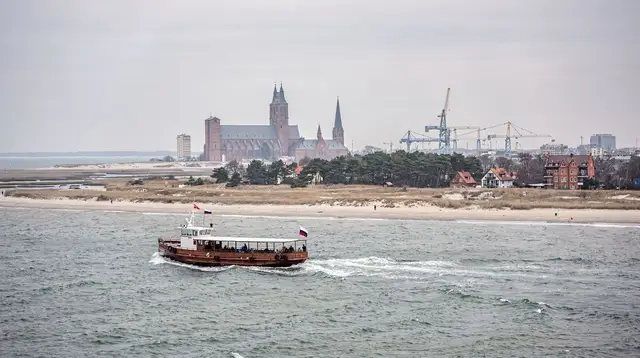
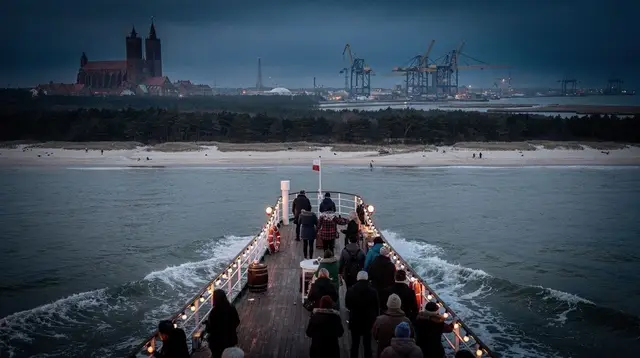
A direct summer train also runs from Gdańsk out along the peninsula in around two hours, a useful option for visitors without a car, and a seasonal passenger boat crosses the bay from Gdańsk, Sopot or Gdynia, taking roughly ninety minutes to two hours depending on the route and conditions — a scenic option, but one that depends on the weather and generally only operates from May to September.
Visitors short on time can also book a faster boat transfer from Sopot to the Hel area, which cuts the crossing down considerably compared with the slower scheduled routes.
Within the peninsula, the villages sit close enough together that cycling or a short local bus ride covers the distance between Jastarnia, Kuznica and Chalupy easily, which is useful for visitors who want to compare launch spots or rental shops rather than commit to just one — the Tricity transport guide to SKM trains, trams and buses explains how those local connections fit together with the wider rail network. Anyone weighing whether to self-drive the whole trip can check the guide to renting a car around Gdansk first, since the peninsula road is the one stretch where a car genuinely pays off.
| Route | Mode | Approx. time | Notes |
|---|---|---|---|
| Gdańsk to Jastarnia | Car / bus | ~2 hours | Coast road around Puck Bay via Władysławowo |
| Gdańsk to Jastarnia | Train (summer) | ~2 hours | Direct seasonal service along the peninsula |
| Gdańsk/Sopot/Gdynia to Hel area | Seasonal boat | ~1.5-2 hours | Weather dependent, runs roughly May-September |
Most visitors treat Jastarnia as part of a wider Hel Peninsula day trip or a longer stay along the bay, rather than a single isolated destination, since the drive or train ride out is long enough to reward spending more than a few hours once there.
Kitesurfing and windsurfing in practice
For anyone new to the sport, or new to this stretch of coast, the practical shape of a visit usually follows the same pattern: rent or bring gear, check conditions with a local shop (wind strength and direction vary day to day and matter more here than the calendar month), and choose a launch spot suited to the day’s wind. Rental operators along the bay typically offer boards, kites or sails, wetsuits and safety gear either by the hour, half-day or full day, and multi-day lesson packages are common for complete beginners, usually run over two or three sessions rather than a single afternoon. Experienced riders often bring their own equipment and simply pay for bay access or parking near a launch point.
Because the bay is shallow over a wide area, it suits progression: beginners can stand and reset in the shallows close to shore, while more confident riders move further out where the wind is cleaner and less broken up by the shoreline. This graduated depth is, again, the specific geographic advantage that separates Jastarnia and its neighbours from most other spots on this coast, and it is the reason the town’s identity has become inseparable from the sport.
A working fishing town, not a resort strip
Away from the bay, Jastarnia keeps a lower-key character than its watersports reputation might suggest. It remains, first, a fishing settlement, and the harbour still functions as one — fishing boats come and go, and smoked fish sold straight from harbourside stalls or small smokehouses is a genuine local product rather than a tourist prop. Wooden fishermen’s houses, some traditional in style, line streets back from the water, and the town has none of the dense resort infrastructure of Sopot or the promenade culture of the bigger Tricity beaches. A short walk covers the town centre comfortably, and most visitors combine it with time on the bay rather than treating the town itself as a full day’s sightseeing.
Planning a visit
A single day is enough to get a feel for Jastarnia — watching the bay, trying a short lesson, or simply walking the harbour and beach — but anyone committing to a proper kitesurfing or windsurfing course should plan for at least two days, since wind conditions vary and instructors often build in a buffer day for weaker wind.
Peak season, June through August, brings the steadiest and most reliable wind alongside the fullest range of open rental shops and schools, and the guide to Gdańsk in summer covers what that season looks like more broadly across the region; shoulder months (May and September) can still offer good conditions for experienced riders but come with a real chance of shops operating reduced hours or being closed altogether.
Given the coast’s genuinely maritime climate, checking a specific operator’s opening dates before travelling out to the peninsula is worth the two minutes it takes, rather than assuming a shop seen in a summer photo will be running in a shoulder-season week. Visitors building a longer trip around the coast can see how a stop here fits into the five-day Tricity, Hel and Malbork itinerary.
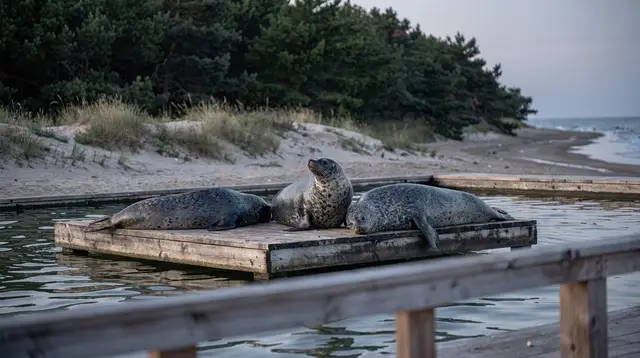
Most visitors base themselves either in Jastarnia itself or in a neighbouring bay-side village and combine the stop with wider time on the Hel Peninsula, including the seal sanctuary in Hel town itself and the peninsula’s forested inner spine. A rental car or the direct seasonal train both work well for this; the road can be slow in high summer, so building in extra time for the drive out and back is sensible. Visitors still deciding where to base themselves across the coast may also find the Gdańsk vs Sopot vs Gdynia comparison useful for weighing a Jastarnia side trip against time in the main Tricity towns.
Jastarnia FAQ
Is Jastarnia a good place to swim?
Not in the conventional sense. The bay side, where most of the watersports activity happens, is shallow and often windy, which is exactly what makes it good for kitesurfing but not ideal for a calm swim. The open-sea side has sandy beach and some swimmers use it, but the Baltic here is a cold sea even in summer, and conditions can be choppy. Visitors looking for a straightforward, calm swimming beach are better served elsewhere on the coast.
Do I need to be an experienced kitesurfer to visit Jastarnia?
No. The shallow water on the bay side is specifically what makes it a good learning environment, and schools along the bay run structured lesson packages for complete beginners, typically over two or three sessions. Experienced riders also use the same waters, so the spot works across skill levels.
How warm is the water in Jastarnia in summer?
Even at the height of summer, Baltic sea temperatures on this coast typically sit around 17-20 degrees Celsius, and can drop further with a change in wind. A wetsuit is standard for anyone spending real time in the water, whether kitesurfing, windsurfing or simply swimming.
How do I get to Jastarnia from Gdańsk?
By car or bus, allow about two hours along the coast road around Puck Bay via Władysławowo. A direct summer train also runs out along the peninsula in a similar time, and a seasonal passenger boat crosses the bay from Gdańsk, Sopot or Gdynia in roughly ninety minutes to two hours, weather permitting, generally between May and September.
Is Jastarnia crowded in August?
The town itself stays modest in scale, but the single road down the Hel Peninsula gets heavy holiday traffic in August, and rental shops and schools are at their busiest. Booking equipment or lessons ahead is sensible in peak season.
Can I rent kitesurfing or windsurfing equipment in Jastarnia without bringing my own?
Yes. Rental shops along the bay offer boards, kites or sails, wetsuits and safety gear by the hour, half-day or full day, and most also run lesson packages for beginners. Availability is fullest from June to August and thinner in the shoulder months.
Is Jastarnia suitable for a family beach holiday?
Not as a conventional swim-and-sunbathe destination. Jastarnia’s identity is built around watersports on a shallow, often windy bay rather than a calm open beach, and its tourist infrastructure reflects that. Families interested in trying watersports together, or in an active rather than lounging holiday, can find it rewarding, and the family-friendly activities guide to Gdańsk and the Tricity lists other options better suited to younger children, but those looking for a traditional beach resort are better matched by other spots on the Tricity coast.