New Year in Gdańsk: What to Actually Expect
Is Gdańsk a good place to spend New Year's Eve?
Gdańsk works well for a quieter, atmospheric New Year built around the lit-up Old Town and its museums, but it is a genuinely cold, dark northern winter destination, not a resort with guaranteed fireworks or festival-scale crowds. Days are very short and outdoor plans depend heavily on the weather on the night.
A northern New Year, not a festival brochure
Spending New Year’s Eve in Gdansk means signing up for a genuinely northern winter, not a postcard version of one. This is a city at sea level on the Baltic coast, where late December brings some of the shortest, darkest days of the European calendar, real cold off the water, and a much quieter, more contemplative mood than the crowded, sun-drenched Old Town of July and August.
None of that is a downside if you go in expecting it - the gabled facades of Gdańsk’s rebuilt Old Town look genuinely beautiful under string lights on a dark winter evening, and there is a particular pleasure in having streets that heave with visitors in summer feel almost yours in December. But it is worth being honest from the start about what this guide will not promise: a confirmed fireworks display, a guaranteed festive programme of events, mild weather, or anything like the crowds and buzz of high season. What follows is what can be said with some confidence about the mood, the logistics and the trade-offs of ringing in the new year here.
Why the days are so short
Gdańsk sits far enough north that the swing between summer and winter daylight is dramatic. Where a June evening on the Motlawa waterfront can stay light past 9pm, by late December the sun sets in the mid-afternoon and full darkness has settled in by around 3:30pm.
That means a New Year’s Eve spent in Gdańsk is, practically speaking, a New Year’s Eve spent mostly in the dark: breakfast and a late morning stroll might get some grey winter daylight, but lunch, an afternoon coffee and everything after it will happen under streetlights, shopfronts and whatever festive lighting the city has put up. This is not a flaw to work around so much as the defining fact of the season - plan indoor time, museum visits and long, warming meals into the middle of the day rather than assuming a bright afternoon for sightseeing.
The Old Town’s festive mood, and its limits
Through December, Dlugi Targ and the surrounding Główne Miasto (Main Town) typically carry over the atmosphere of the region’s Christmas market season - string lights along the gabled townhouses, mulled wine sold from kiosks, and a market presence that, in many years, runs from late November into the first days of the new year. It is worth being precise here: exact opening and closing dates for the Christmas market are set close to the season and are not fixed years in advance, so this guide cannot promise that stalls will still be trading on New Year’s Eve itself, or that they will have packed up by then.
Readers planning specifically around the market overlapping with New Year should check current listings shortly before travelling rather than book on the assumption either way. For the market itself in its own right, the dedicated Christmas market guide covers what is more reliably known about how it usually runs.
What can be said with more confidence is the general mood: a lit, decorated Old Town, warming food and drink readily available, and a noticeably less frantic pace than summer. Whether that translates into an organised New Year’s Eve countdown, a stage with music, or fireworks over the Motława varies by year and is not something this guide can confirm in advance. Some years bring a modest civic display; other years bring very little beyond people gathering informally around Długi Targ as midnight approaches. Treat any fireworks or formal countdown event as a possible bonus you might stumble into, never as the reason to book the trip.
What the weather is actually likely to do
Baltic winters are damp and changeable rather than reliably snowy or picturesque. Expect temperatures hovering close to freezing, often a degree or two either side of zero, with wind coming straight off the sea adding a real chill factor beyond what the thermometer says. Snow is possible in late December but far from guaranteed near the coast, since the sea moderates temperatures compared with inland Poland - a New Year’s trip might bring a dusting of snow on the rooftops, or it might bring cold rain and wet cobbles instead, and there is no way to know which in advance.
Pack accordingly: proper waterproof, windproof layers matter far more than a smart coat, and solid, grippy footwear is worth prioritising over style on streets that can be wet, icy or both. For a broader sense of how the season behaves month to month, Gdańsk in winter covers the pattern beyond just the New Year window.
Crowds: quiet by Gdańsk’s own standards
One genuine advantage of a New Year visit is the absence of summer crowds. July and August bring queues at major sights, packed beaches along the coast, and an Old Town that can feel saturated with visitors; December offers close to the opposite. Museums are calmer, restaurant tables are easier to find outside the evening of the 31st itself, and the general pace of the city slows down.
That said, “quiet by Gdańsk’s standards” is not the same as empty - the central streets around Długi Targ and Mariacka can still draw a reasonable crowd on the evening of New Year’s Eve itself, particularly if the market is still running, so do not expect total solitude on the one night everyone associates with going out. For a wider view of how the city compares across seasons, first-time visitors planning their first trip may find it useful to weigh a winter visit against warmer alternatives before booking.
A realistic New Year’s Eve day, hour by hour in spirit rather than schedule
Rather than promising a fixed itinerary of confirmed events, it is more honest to sketch how a New Year’s Eve day in Gdańsk tends to unfold for visitors who plan around the season rather than against it. A late, unhurried morning suits the short daylight - there is little to gain from an early start when the light is grey until mid-morning anyway.
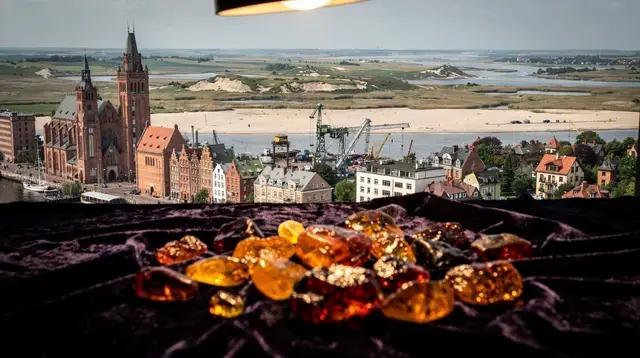
A wander through the Old Town, past St Mary’s Basilica and along Mariacka street with its amber workshops, fills the brighter hours well, and pairing that with an indoor stop - the Amber Museum or the European Solidarity Centre
- makes good use of the afternoon once daylight starts to fade.
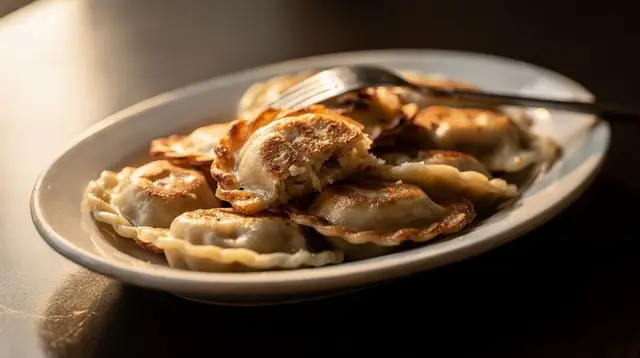
A long, warming lunch or an early dinner is a natural way to bridge into the evening, and Poland’s cold-weather specialities suit the season better than a light summer meal; a Gdańsk food tour is one way to get oriented if this is a first visit. As night properly falls by mid- afternoon, plans naturally shift indoors or to lit streets and warm interiors rather than long outdoor wandering, and that is worth building into expectations rather than fighting against.
For drinks and a countdown to midnight, Gdańsk’s bar scene gives more reliable ground to stand on than any promised public event. The city’s own Goldwasser liqueur, a herbal spirit flecked with real gold leaf and a genuine Gdańsk speciality since the 16th century, makes a fitting toast, and pairing it with a tasting of local craft beer or Polish vodka gives visitors a way to mark the night with something distinctly regional rather than generic.
The best bars in the Old Town fill up as midnight approaches, and a broader pub crawl guide covers the options in more depth for those who want a proper night out. Those staying in the wider Tricity might also look at Sopot’s nightlife as an alternative base for the evening, a short SKM ride from central Gdańsk.
Day trips: a quieter version of the summer plan
For visitors staying several days over the New Year period, day trips remain possible, though it is worth setting expectations correctly: winter opening hours are shorter across the board, and some sights operate a reduced schedule compared with the long summer days described elsewhere on this site.
Malbork Castle, the largest brick fortress in the world, still opens through winter, but with a shorter window and fewer crowds than the timed-entry queues of July; a guided visit with an audioguide is a straightforward way to see the highlights without navigating logistics in the cold. A guided day trip to Malbork Castle from Gdańsk, audioguide included covers transport and entry together, which matters more in winter when public transport connections carry less margin for error.
Torun, the UNESCO-listed brick Gothic town and Copernicus’s birthplace, also works well as a winter day trip - its old town is compact enough to enjoy even with a shortened window of daylight, and its gingerbread tradition suits the cold-weather mood rather well.
A weekend guided sightseeing tour of Toruń or a more focused walking tour of Toruń’s old town highlights both make sense for a New Year period visit, since a guide keeps the day efficient when there are fewer daylight hours to work with. For those weighing the two destinations against each other, Malbork versus Torun lays out the trade-offs in more detail.
The Stutthof Memorial near Sztutowo also remains open through the winter, on a shorter daily schedule, and is worth visiting with the gravity the site demands rather than folding into a lighthearted holiday itinerary; a guided visit to the Stutthof Museum with transfer from Gdańsk handles the otherwise awkward winter transport. Guidance on visiting respectfully is covered separately in how to visit Stutthof.
What is realistically closed or reduced
New Year’s Day is a public holiday across Poland, and Gdańsk follows the pattern common to much of the country: many restaurants, smaller shops and some attractions run reduced hours or close entirely on 1 January, with a more typical schedule usually resuming by 2 January.
This is worth building into any plan rather than discovering on arrival - a museum visit or a particular restaurant pencilled in for New Year’s Day itself should be double-checked in advance, and a backup plan (or an extra day added to the itinerary) is sensible if a specific sight matters to the trip. Visitors arriving straight from the airport around this period may also find it useful to check transfer options in advance, since public transport frequencies can shift slightly around public holidays.
Practical basics for a New Year visit
A few practicalities are worth confirming before travel rather than assuming. Poland uses the zloty (PLN), not the euro, and the city runs on Central European Time. Card payments are close to universal in shops, cafes and bars, which helps in a season when carrying cash in the cold and dark is less appealing than in summer. Getting around the Tricity by SKM train, tram and bus remains straightforward in winter and is generally the easier option over driving, particularly given the possibility of icy roads.
For a first visit built specifically around this season, the budget travel guide and where to stay in Gdansk both help with the practical side of planning, while how many days in Gdansk is worth reading before deciding whether to build the trip around the city alone or extend it toward Malbork and Toruń as described above.
The honest summary
New Year’s Eve in Gdańsk rewards visitors who come for a quiet, atmospheric, genuinely wintry city rather than a guaranteed festival night. Expect short, dark days, real cold, a lit and pretty but not overwhelmed Old Town, and a reasonable chance - never a promise - of a festive market still trading and some informal gathering as midnight approaches. What this guide will not do is invent a fireworks display, a confirmed stage programme, or a summer-level crowd that simply is not part of how this season here actually works. Go prepared for the weather, build in indoor time for the long dark afternoons, and the trip holds up well on its own terms.
Winter activities
Verified deep-linked GetYourGuide tours. Book through these links and we earn a small commission at no cost to you.
GetYourGuide does not provide a product photo for this activity — the image shows the meeting point, photographed by us.